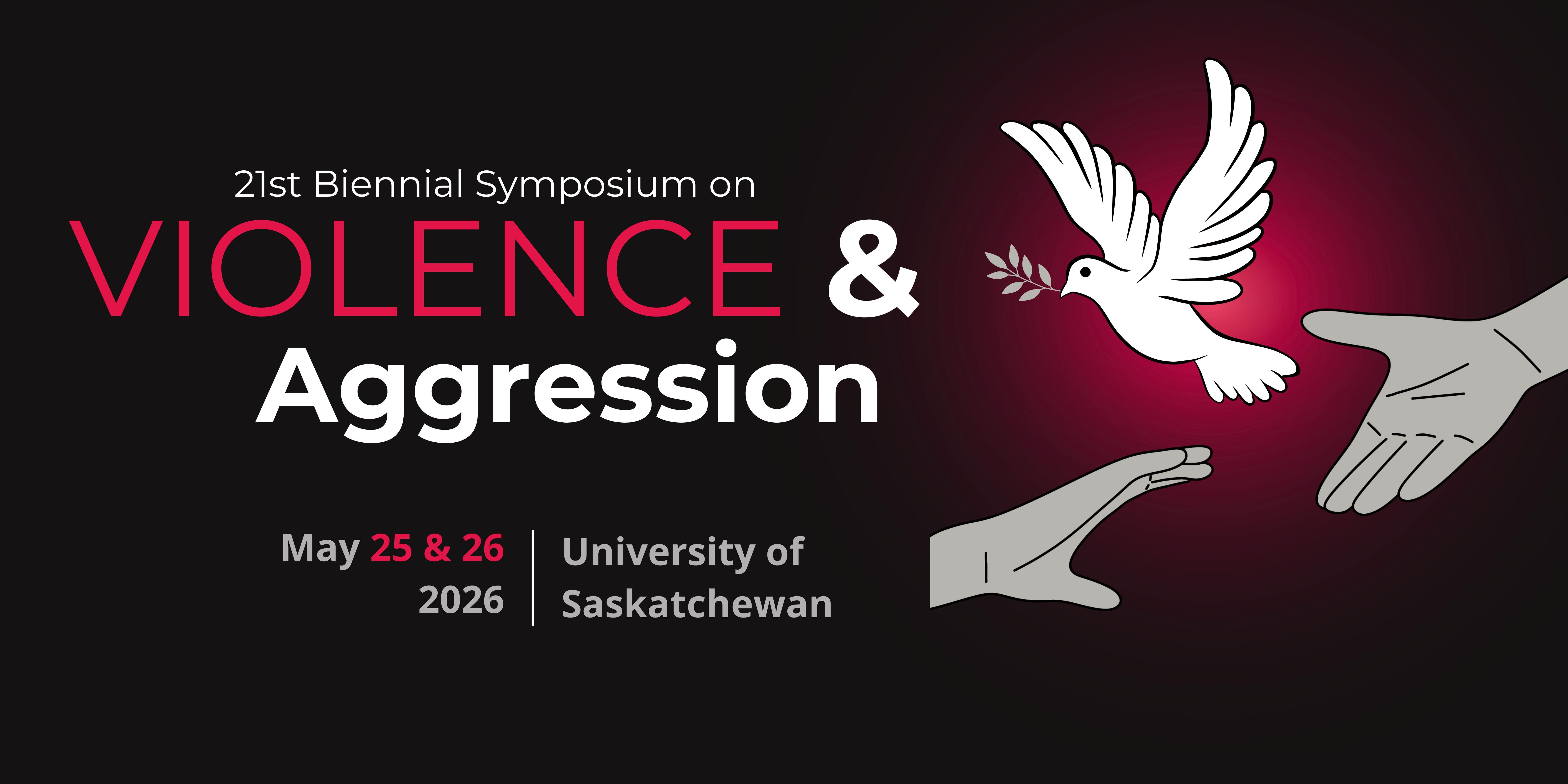
21st Biennial Symposium on Violence & Aggression
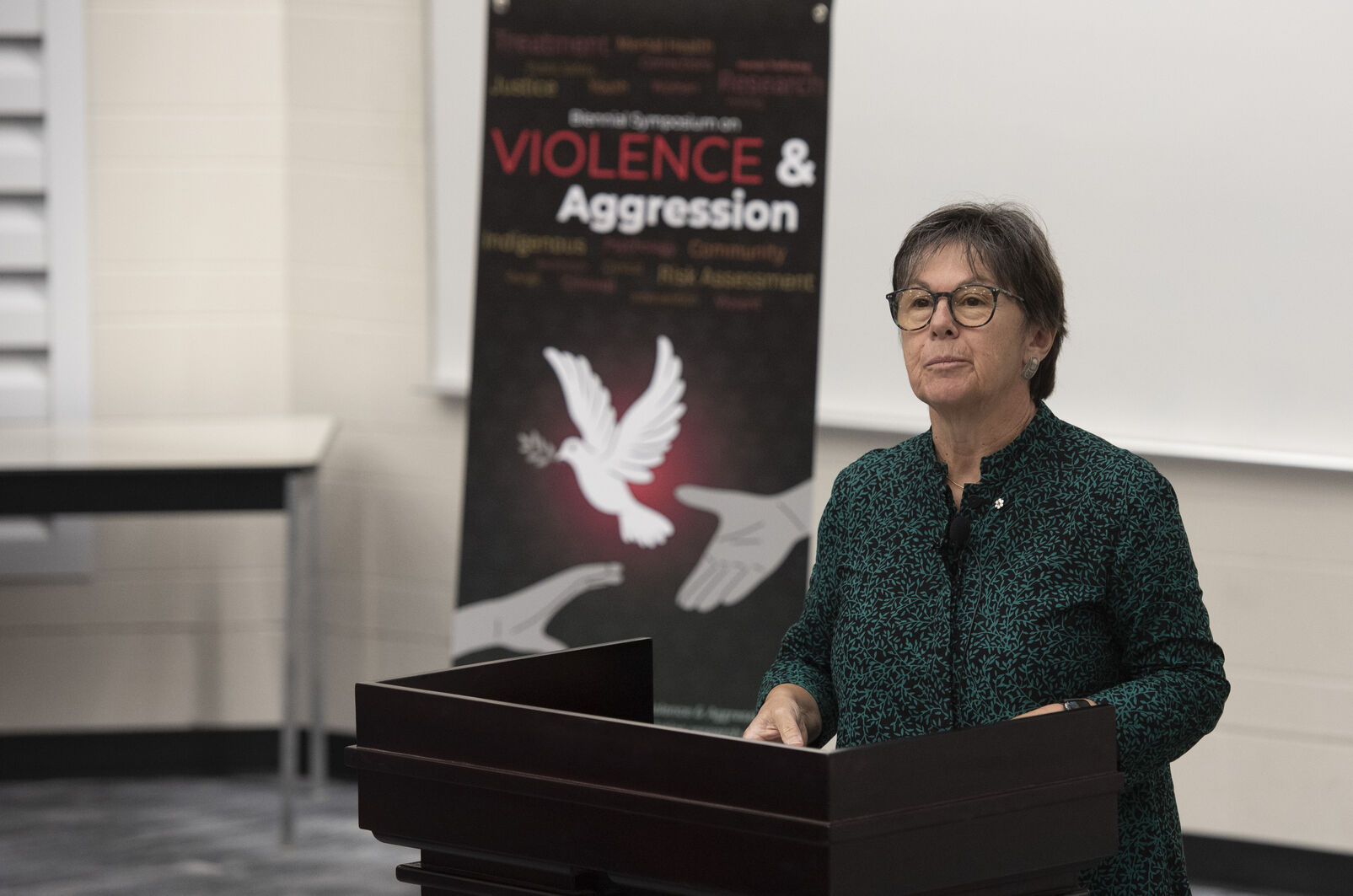
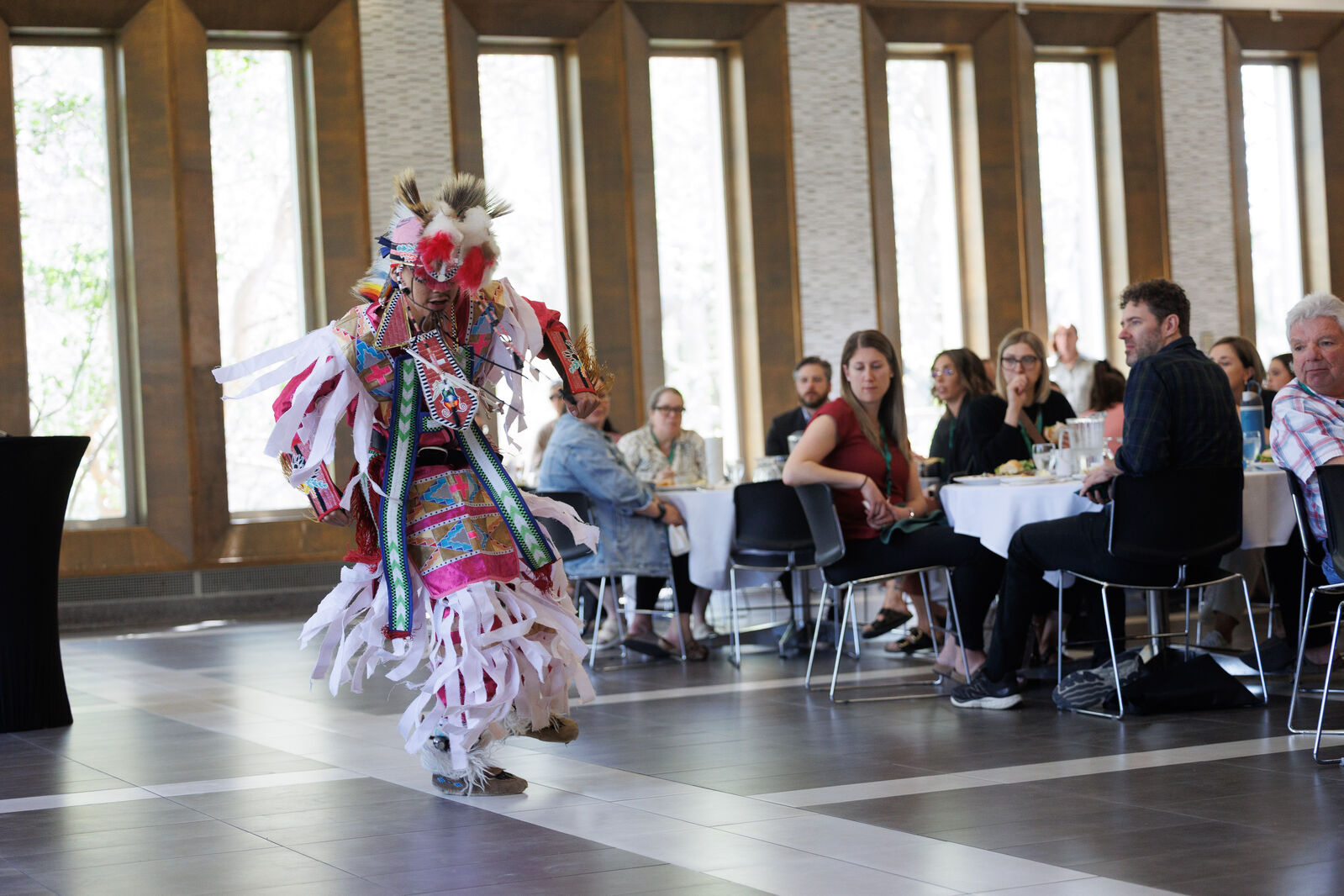
The 21st offering will focus on “Advancing Responses to Violence” and will feature 4 plenary sessions and 12 concurrent sessions, involving more than 20 local and national presenters. Presenters will share their knowledge and experience on an array of topics, including:
- Frontline Responses to Violence
- Indigenization of Justice Responses
- Current Issues in Violence
Program
Keynote Speakers
Research, Issues, and Approaches in Forensic Risk Assessment with Indigenous Clients - Dr. Mark Olver (University of Saskatchewan) and Dr. Keira Stockdale (University of Saskatchewan)
Manufacturing Risk - Senator Kim Pate
Healthy People Build Healthy Communities - Evan Bray (The Voice of Saskatchewan -with 650 CKOM and 980 CJME)
Why Indigenized Prison Programming Matters: On Indigenous Overrepresenation, Rehabilitation, and Re-entry - Dr. Justin Tetrault (Simon Fraser University)
Concurrent Sessions
Theme 1: Frontline Responses to Violence
Compassion Fatigue: Strength in Service, Wisdom in Recovery - Shaylee Spencer (Research Associate, Memorial University of Newfoundland)
Bridging Safety and Support: De-Escalation Approaches for Individuals with FASD and High-Risk Behaviors - Andrea Kotlar (Executive Director, FASD Network of Saskatchewan) and Shana Mohr (Training & Programs Manager, FASD Network of Saskatchewan)
From Crisis to Response: Gender-Based Violence in Saskatchewan and the Case for a Women’s Legal Clinic - Violeta Dima (Managing Lawyer, Elizabeth Fry Society) and Kenzy Horudko (Women's Legal Clinic (WLC) Legal Advocate, Listen Project Coordinator at the Elizabeth Fry Society of Saskatchewan (EFSK))
Evaluation of Violence Reduction Programs: Lessons Learned from the Literature and Responses to Serious Violence in Saskatchewan - Dr. Keira C. Stockdale (University of Saskatchewan), Dr. Ian Wellspring (Provincial Health Services Authority of British Columbia) & Sydney Rine (University of Saskatchewan)
Theme 2: Indigenization of Justice Responses
Indigeneity in Canada’s Criminal Legal System: Finding Consensus, Contestation, and Paradox - Benjamin Ralston (University of Saskatchewan) and Dr. Christie Tetreault (University of Saskatchewan)
Strengthening Justice with Community-Driven Responses to Violence -Kathy Neil (Deputy Commissioner Indigenous Corrections, Indigenous Initiatives Sector, Correctional Service Canada)
Advancements in Community Safety: A Discussion on the Saskatchewan First Nations Community Safety Officer Program– Matt Mirasty (Ministry of Community Safety)
Theme 3: Current Issues in Violence
Issues of Risk Assessment in a Complex World - Dr. Leslie Anne Keown (Associate Professor, University of Regina) and Dr. Crystal Giesbrecht (Director of Research, Provincial Association of Transition Houses and Services of Saskatchewan (PATHS))
Managing Individuals at High Risk to Offend: Lessons from the Evacuation of a Maximum-Security Penitentiary During Wildfire – Martin Foucher (Warden, Port-Cartier Institute, Correctional Service Canada), Managing High Risk Offenders Through Integrated Policing - Detectives Sonja Wepruk & Tammy Buchberger (Edmonton Police Service)
Parole Board of Canada, Our Purpose in the Criminal Justice Continuum - Amy Agar (Regional Vice Chairperson, Parole Board of Canada), Rayleen Ballard (Regional Manager, Correctional Release Programs, Parole Board of Canada), and Kelly Benson (Regional Communications Officer, Parole Board of Canada)
Reconcili-Action: Transforming Justice Through Police and Tribal Council Partnership – Marijayne Deschambeault (Saskatoon Tribal Council) and Sgt. Erica Weber (Saskatoon Police Service)
Restorative Justice in action - Supports for Community Reintegration (Including Housing and Programs) John Howard Society of Saskatchewan - Lindsay Wilcox (Manager of Restorative Justice Programs and Branch Services, John Howard Society of Saskatchewan)
Meals & Refreshments:
Breakfast, lunch, and refreshments during breaks will be provided complimentary on both days. Day 1 also includes a Wine & Cheese reception with complimentary food and a cash bar.
Session Abstracts
Based on nearly 50 years of practical experience working with marginalized, victimized, criminalized and institutionalized individuals and those who work with them, and informed by degrees in education, law and forensic mental health, Kim Pate will discuss the roles of policing and prison authorities in identifying, assessing and manufacturing risky and aggressive behaviour and individuals. With a view to encouraging significant challenges to status quo approaches, Kim will discuss a number of strategies and successful interventions that challenge the risk aversive, individual versus systemic nature and inclination of conventional criminal legal and correctional interventions.
Speaker:
The Honourable Kim Pate, Senator, Senate of Canada
Addressing violence in Indigenous communities requires approaches that are culturally grounded, collaborative, and community-driven. This presentation explores the critical role of Indigenous-led interventions in advancing responses to violence, emphasizing empowerment of community organizations and meaningful partnerships. Drawing on current initiatives within the Correctional Service of Canada (CSC), we will highlight programs that integrate Indigenous knowledge, traditions, and healing practices into justice responses. These efforts not only strengthen frontline responses but also foster resilience and self-determination among Indigenous peoples. By embedding Indigenous perspectives into justice responses and fostering strong collaboration, we can create pathways that uphold cultural identity while dismantling systemic barriers. Participants will explore innovative strategies, proven models, and persistent challenges, with a focus on how Indigenous-driven approaches are reshaping correctional practices and contributing to safer, healthier communities.
Speaker:
Kathy Neil, Deputy Commissioner for Indigenous Corrections, Correctional Service Canada
New developments with the Saskatchewan First Nation Community Safety Officer program, the exploration of Regional Self- Administered First Nation's Policing services and changes to our broader policing landscape present exciting opportunities to tackle today's current crisis's and prepare our province for the future.
Saskatchewan's public safety landscape is changing. While much-publicized challenges related to gang violence, criminality, mental health and addiction exist, there are also growing opportunities for First Nations, northern, isolated and rural communities to engage in discussions and share their insights into how our province adapts to them.
I will be giving a presentation on the past, present and future of the Saskatchewan First Nations Community Safety Officer Program. The discussion will include efforts related to training, policy development, community engagement and enforcement service partnership efforts that have resulted.
Speakers:
Matthew J Mirasty, Executive Director, First Nations and Indigenous Policing, Government of Saskatchewan
This presentation explores how restorative justice principles come to life through the John Howard Society of Saskatchewan’s community‑based programs, with a focus on practical, client‑centered approaches that support successful reintegration. Drawing on decades of program development and delivery, the session highlights how JHSS implements a range of restorative justice initiatives designed to help individuals make meaningful changes in their lives while strengthening community well‑being.
Participants will be introduced to several key programs, including Alternative Measures and Extrajudicial Sanctions (victim–offender mediation), My Place, Trinity House Sober Living Home, and Court Support services. The presentation will examine how these programs operate, the collaborative processes involved, and the ways they promote accountability, healing, and empowerment.
Through real‑world examples, the session will highlight both the successes and challenges of restorative justice work, emphasizing the importance of flexible, relationship‑based, and trauma‑informed service delivery. Attendees will gain insight into how restorative approaches help communities repair harm by creating opportunities for those who have been harmed and those who take responsibility to communicate about the causes, circumstances, and impacts of crime—and to address the needs that arise from those experiences.
Ultimately, this presentation demonstrates how restorative justice, when paired with practical supports such as housing, referral programs, mediation, and reintegration programs, can foster healthier communities and more sustainable outcomes for everyone involved.
Speaker:
Lindsay Wilcox, Manager of Restorative Justice Programs and Branch Services, John Howard Society of Saskatchewan
Saskatchewan continues to experience some of the highest rates of gender-based violence in the country, with Indigenous women disproportionately impacted. These realities intersect with poverty, housing insecurity, child apprehension, and criminalization, creating complex legal needs that are often unmet by existing systems. Many survivors are left to navigate family law, criminal proceedings, child protection, and immigration matters without representation, particularly when they are ineligible for Legal Aid or face overlapping legal issues tied to violence and coercive control.
This presentation will ground participants in the current landscape of gender-based violence in Saskatchewan and outline the systemic gaps that leave survivors without meaningful access to justice. Drawing on frontline experience, data, and lived realities, Elizabeth Fry Society of Saskatchewan will share how these conditions led to the development of a trauma-informed Women’s Legal Clinic in Regina.
The session will outline the clinic’s purpose, scope, and service model, including legal navigation, advocacy, accompaniment, and culturally grounded supports for women and gender-diverse people impacted by gender-based violence. The presentation will emphasize why survivor-centred, community-based legal responses are essential to safety, stability, and long-term healing, and how legal intervention can function as violence prevention rather than crisis response alone.
Speakers:
Violeta Dima, Managing Lawyer, Elizabeth Fry Society of Saskatchewan
Kenzy Horudko, Legal Advocate, Elizabeth Fry Society of Saskatchewan
The first half of the session will focus on current issues in risk assessment with a focus on the interplay between risk assessment specificity and practical application in the field. It will include some thoughts about how AI might influence both risk assessment scale development and the application of risk assessment in the field. Then, we will switch to recent developments on risk assessment in regards to interpersonal violence perpetrators - where Crystal will lend her considerable expertise.
Speaker:
Dr. Leslie Anne Keown, Associate Professor, University of Regina
Dr. Crystal Giesbrecht, Director of Research, Provincial Association of Transition Houses and Services of Saskatchewan (PATHS) and Banting Postdoctoral Fellow, University of Saskatchewan
The Parole Board of Canada (PBC) is an independent administrative tribunal with exclusive authority under the Corrections and Conditional Release Act (CCRA) to grant, deny, and revoke parole for individuals serving federal sentences. All federal offenders, including those serving life sentences, are eligible for parole consideration at some point in their sentence. The conditional release decisions are made in accordance with specific criteria set out in the CCRA and follow a thorough and systematic risk assessment. Board members are required under the law to make the least restrictive determination consistent with the protection of society in their decision-making
Speaker:
Amy Agar, Regional Vice Chairperson, Prairie Region, Parole Board of Canada
Raylean Ballar, Regional Manager, Conditional Release Programs, Prairie Region, Parole Board of Canada
Indigenous peoples are overrepresented in correctional systems internationally, reflecting a history of systemic racism and colonial oppression, and the practice of risk assessment with this population has been a focus of legal and sociopolitical controversy. This plenary will focus on empirical research developments, clinical and legal issues, and culturally informed approaches in forensic risk assessment with Indigenous persons. We begin with an overview of the background and the clinical, legal, and sociohistorical context and controversies of forensic risk assessment with Indigenous persons. We proceed to review research developments and findings pertaining to risk instrument predictive properties, risk/need factors, and culturally relevant factors with Indigenous clients. We conclude with a discussion and review of clinical applications and related applied directions for risk assessment with Indigenous correctional clients.
Speakers:
Mark Olver, Professor, Department of Psychology and Health Studies
Keira Stockdale, Associate Professor, Department of Psychology and Health Studies
Indigenous peoples make up nearly one-third of people incarcerated in Canada while constituting only five percent of the general population. Since the 1970s, governments have introduced Indigenized prison programming, sometimes in partnership with Indigenous peoples. Do these programs work, and how do they support rehabilitation, re-entry, and healing? Drawing on findings from the University of Alberta Prison Project—based on over 2,000 interviews, nearly half involving incarcerated Indigenous participants—this presentation examines what these programs do well, where gaps remain, and how systems can advance Truth and Reconciliation commitments while offering concrete insights for correctional leaders and front-line practitioners.
Speaker:
Justin Tetrault, Assistant Professor of Criminology, Simon Fraser University, School of Criminology
This presentation will review the extant literature on the effectiveness of violence reduction programs in correctional and community settings. Program elements linked to reductions in violence risk, as well as tools that can be used to evaluate this, will be discussed. The need for further evaluation of community-based programs and multi-disciplinary partnerships to reduce serious violence will be highlighted. Current efforts to evaluate psychological services provided as part of a partnership between an accredited psychology residency program operated by the SK Health Authority, the SK Ministry of Community Safety, and the SK Serious Violent Offender Response (SVOR) will be introduced. Future directions for research and practice will be offered
Speaker:
Keira C. Stockdale, Associate Professor, College of Arts and Science, University of Saskatchewan
Ian Wellspring,
Sydney Rine,
First responders routinely face chronic exposure to trauma, suffering, and high-stakes decision-making, which can lead to compassion fatigue—a state of emotional exhaustion, reduced empathy, and guilt about perceived limits in helping others. Trauma-informed guilt reduction techniques addresses the moral weight many responders carry by reframing unrealistic responsibility, separating outcomes from intent, and restoring a fair self-assessment of actions taken under extreme conditions. Join in discussion around symptoms of compassion fatigue and building toolkit to manage or prevent impacts to overall personal wellbeing.
Speaker:
Shaylee Spencer, Clinical Operations Manager, Canadian Institute for Public Safety Research and Treatment (CIPSRT)
This session examines a partnership between a Tribal Council and a police service, demonstrating how their collaboration is transforming the systems they operate within. We will illustrate how this relationship, grounded in the spirit of reconciliation, utilizes restorative justice processes to effectively reduce entry points into the criminal justice system.
In 2025, the Saskatoon Police Service (SPS) implemented a policy mandating the consideration of pre-charge diversion for all eligible low-level, summary conviction offences. This policy ensures eligible individuals are diverted from the formal criminal justice process. Acknowledging, that public safety does not always require the full use of the criminal process; rather, in some cases, community needs are often better served through community justice programs delivered by partners like the Saskatoon Tribal Council (STC).
This commitment positions the police as proactive, upstream leaders in diversion. A role that has a significant positive impact on the community and other institutions. This genuine collaboration has allowed the partners to overcome long-standing barriers and achieve successes that working alone never could. As a result, the Saskatoon framework is now gaining national interest as a proven, reproducible model for systemic change.
Speakers:
Marijayne Deschambeault, Urban Justice Manager, Saskatoon Tribal Council
Sgt. Erica Weber, Restorative Justice Coordinator, Saskatoon Police Service
This presentation explores de-escalation strategies used within the FASD Network of Saskatchewan to support individuals with FASD, diagnosed or undiagnosed, exhibiting high-risk behaviors. Focused on frontline responses to violence and aggression, it highlights evidence-based techniques such as communication methods, environmental adaptations, and personalized interventions tailored for neurodiverse populations. Attendees will learn how compassionate, inclusive practices can reduce violence and increase engagement. The session aims to enhance the skills of clinicians, frontline workers, and administrators in safely de-escalating challenging behaviors and fostering positive outcomes in complex, high-risk situations.
Speakers:
Andrea Kotlar, Executive Director, FASD Network of Saskatchewan
Shana Mohr, Training Manager, FASD Network of Saskatchewan
Indigenous persons remain starkly overrepresented throughout Canada’s criminal legal system despite long-standing reforms aimed at addressing this crisis. This presentation integrates findings from recent studies examining how Indigeneity is operationalized in criminal justice decision-making. One used a Delph study to identify expert consensus on the relationship between access to Indigenous cultures and justice involvement, with implications for culture-based interventions across the system. Another critically analyzed how Canadian courts respond to crimes by Indigenous offenders against Indigenous victims, identifying paradoxical effects that risk deepening over-incarceration. Together, the studies highlight ongoing tensions and opportunities for reform of current responses to Indigenous overrepresentation.
Speaker:
Benjamin Ralston, Assistant Professor, College of Law, University of Saskatchewan
Christie Tetreault, Postdoctoral Fellow, Centre for Forensic Behavioural Science and Justice Studies
Sub-session 1: Lessons from the Evacuation of a Maximum-Security Penitentiary During Wildfire
Located more than 600 km from the nearest major urban center, this presentation will outline the key challenges encountered during the evacuation of the Port‑Cartier Institution—a maximum‑security correctional facility housing nearly 260 inmates—following the government‑issued evacuation order prompted by a rapidly advancing wildfire in the vicinity of the institution.
Speaker:
Martin Foucher, Warden, Port-Cartier institution, Correctional Service of Canada
Sub-session 2: Managing High Risk Offenders Through Integrated Policing
The presentation outlines the role of the Diversion & Desistance (D&D) Branch and how Integrated Offender Management (IOM) is used by EPS to manage high risk, high harm, and prolific offenders. It clarifies that D&D is a proactive, intelligence led policing function that combines enforcement, supervision, and collaboration across specialized units—including BAU, SORU, WADU, and ISU—to reduce re offending and protect public safety.
Central to the approach is the Risk Need Responsivity (RNR) model, which guides police involvement based on changes in offender risk and behaviour. Police efforts are adjusted as risk increases or decreases and are combined with targeted supports such as housing, treatment, and community navigation. Success is measured not just by arrests, but by reduced harm, fewer new offences or breaches, improved offender insight, and stronger coordination with courts and community partners.
Speaker:
Detective Tammy Buchberger, Edmonton Police Service
Detective Sonja Wepruk, Edmonton Police Service
As the host of The Evan Bray Show on 650 CKOM and 980 CJME, Evan brings Saskatchewan
together to talk about the big local issues, and the most topical and compelling stories of the day.
Evan spent nearly three decades in policing, including seven years as Regina’s Chief of Police,
earning a reputation as an accessible and trusted leader. His work with government, community
groups, and everyday residents informs his perspectives on leadership, connection, and where
Saskatchewan is headed. Born and raised on a family farm near Abernethy, he brings a grounded
understanding of rural life and a lifelong commitment to the province.
Speakers:
Evan Bray, The Voice of Saskatchewan with 650 CKOM and 980 CJME
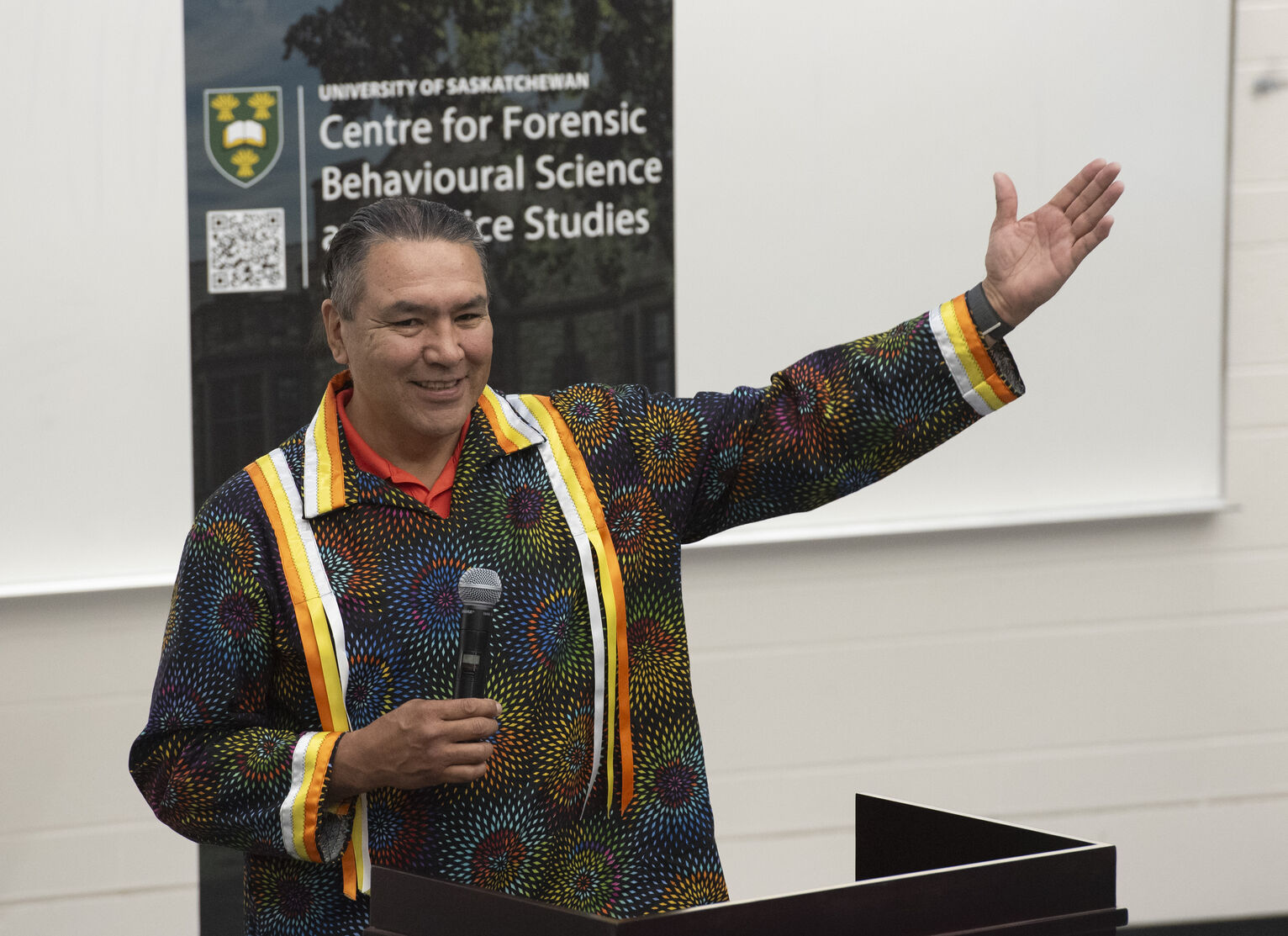
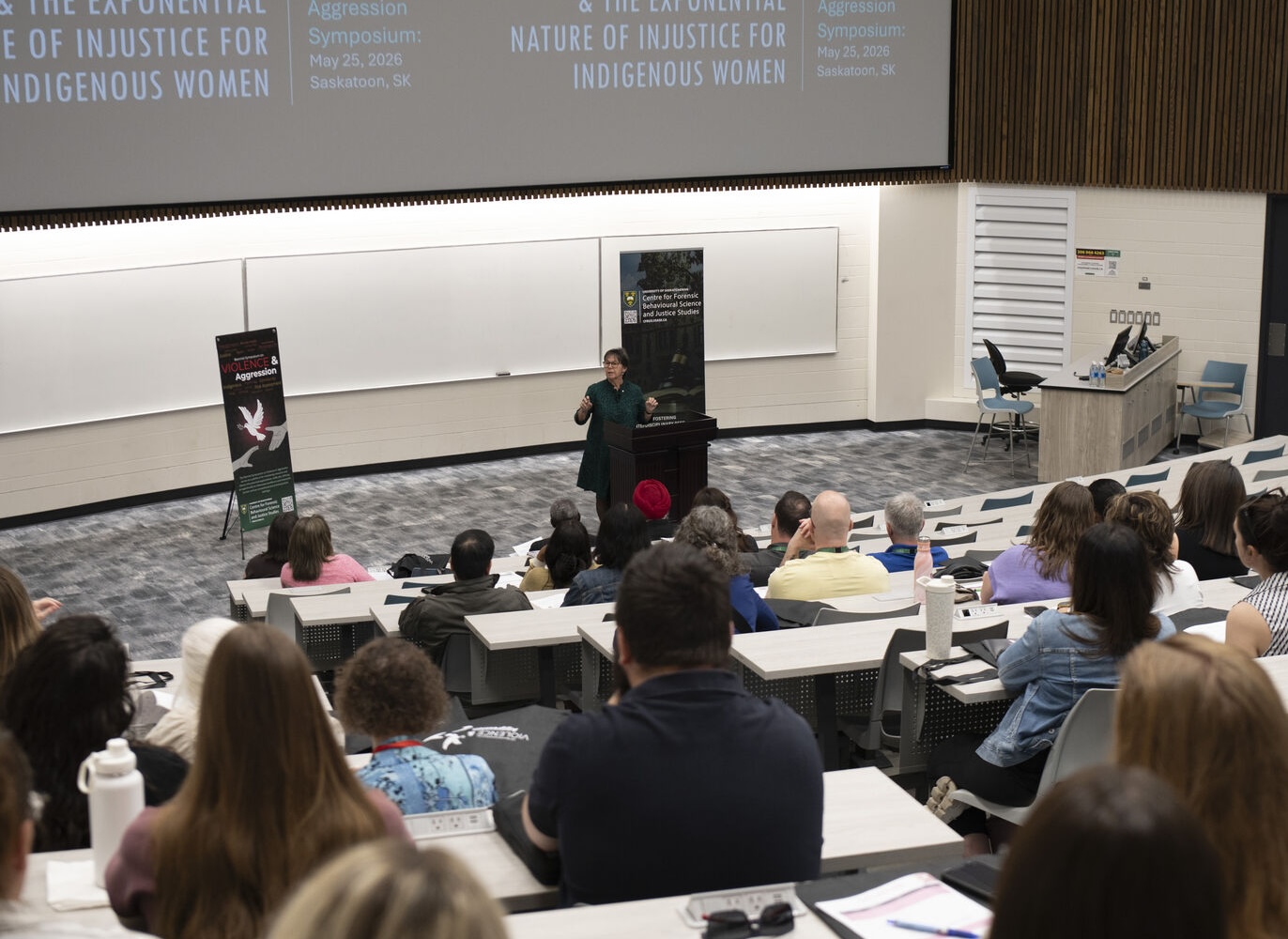
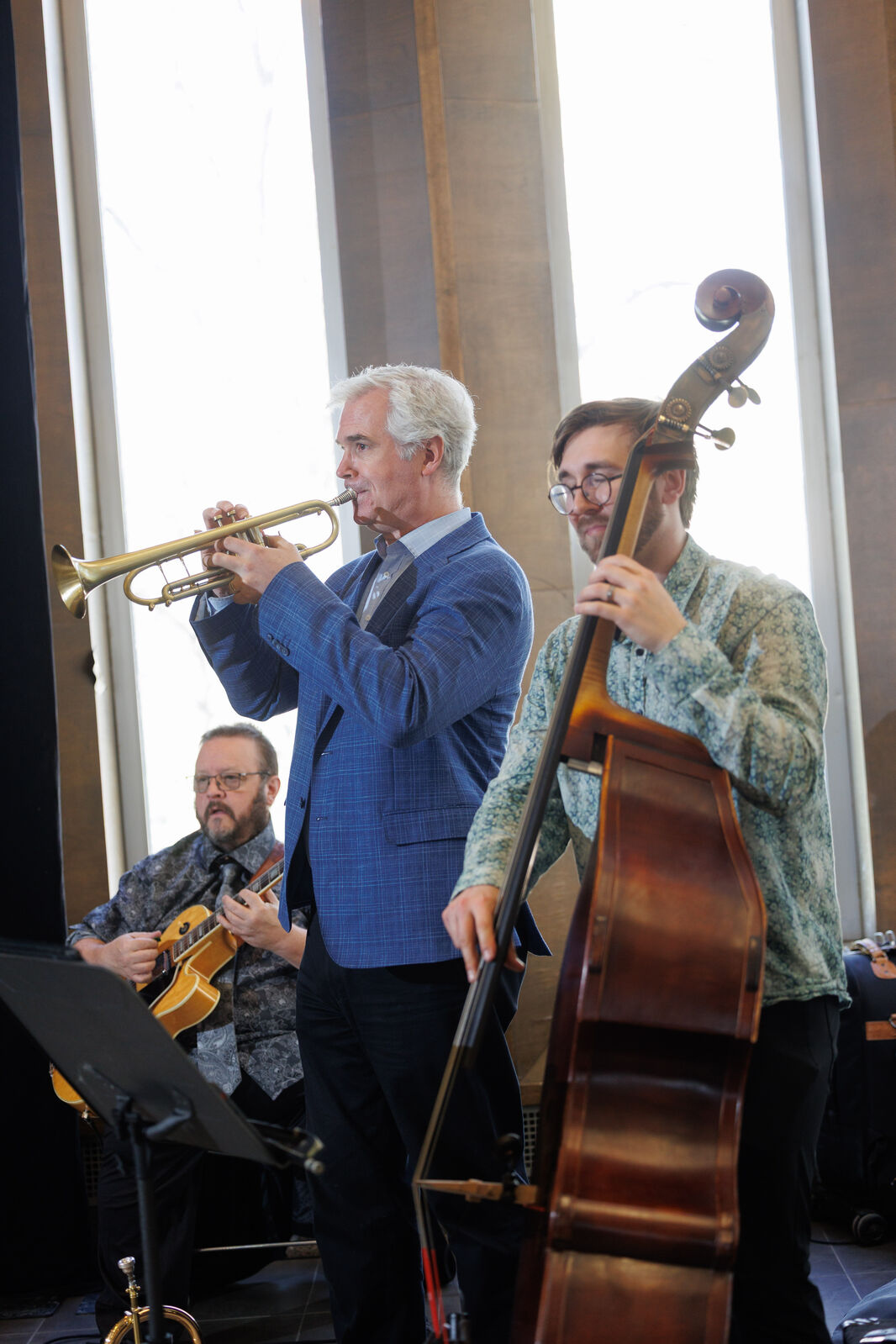
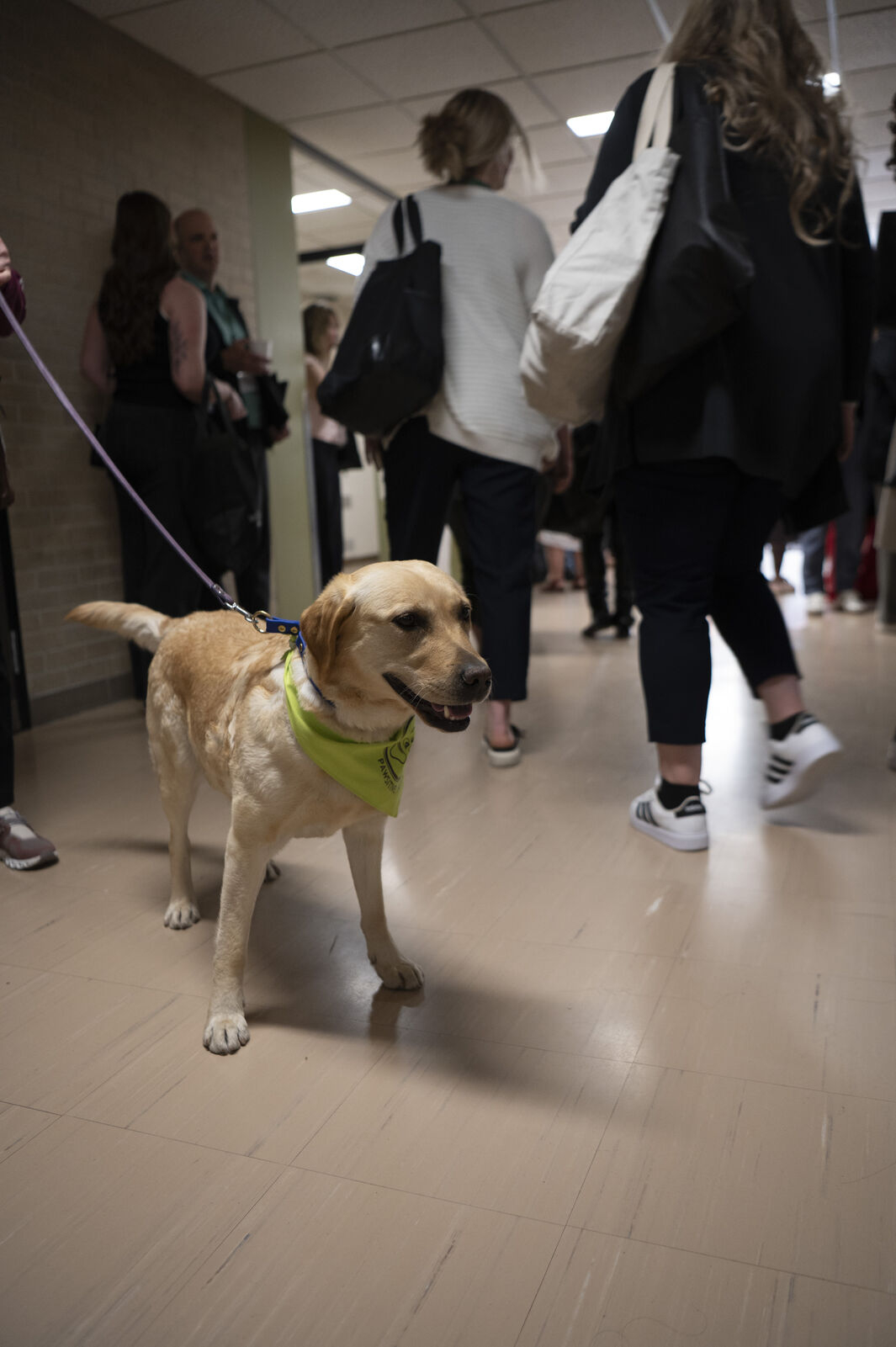
Event Day
Registration
Registration Fees - all fees are exclusive of taxes
Early Bird Fees - until April 30, 2026
- $550.00 Registration
- $250.00 Student
Regular Conference Registration - after April 30, 2026
- $585.00 Registration
- $250.00 Student
Accommodation
If you require accommodations, blocks of rooms have been set aside at the following two hotels:
HOLIDAY INN EXPRESS & SUITES EAST - UNIVERSITY:
Attendees can book guestrooms by calling the following phone numbers:
Toll-free 1-800-HOLIDAY ( 1-800-465-4329 )
Hotel direct 1-306-954-1250
A user-friendly URL is ready for booking guestrooms within the block dates by simply copying and pasting the Booking Link (URL) below, and it will take you directly to the special group rate provided to the group.
Group Name: Violence & Aggression Symposium
Date: 05/24/2026-05/26/2025
Hotel Name and Address:
Holiday Inn Express & Suites East-University-YXEES
1838 College Drive; Saskatoon; Bldg. #2, SK; S1N 2Z8
Room Type(s) available: Two Queen Beds
Rate at $159.00
*Full American Breakfast Buffet & Parking included!
Cut-off date: 05/08/2026
Group Code: VAS
Group Booking Link:
Violence & Aggression Symposium
STAYBRIDGE SUITES EAST - UNIVERSITY:
Attendees can book guestrooms by calling the following phone numbers:
Toll-free 1-800-238-8000
Hotel direct 1-306-952-4888
A user-friendly URL is ready for booking guestrooms within the block dates by simply copying and pasting the Booking Link (URL) below and it will take you directly to the special group rate provided to the group
Group Name: Violence & Aggression Symposium
Dates: 05/24/2026 -05/26/2026
Hotel Name and Address:
Staybridge Suites East-University-YXESB
1838 College Drive; Saskatoon; Bldg. #2, SK; S1N 2Z8
Room Type(s) available: King Bed and a single pull-out sofa
Rate at $164.00
*Full American Breakfast Buffet & Parking included!
Cut-off date: 05/08/2026
Group Code: VAC
Group Booking Link:
Violence & Aggression Symposium
Poster Competition
Submissions are now closed
Call for Abstracts: In-Person Poster Session
Submissions are invited from researchers, practitioners, and students.
Prize: Monetary prizes of $500, $250 and $100 for the top three student posters
Submit your abstract now to secure your spot and be part of this stimulating academic gathering. Don't miss this chance to network, learn, and celebrate the spirit of research.
Planning Committee
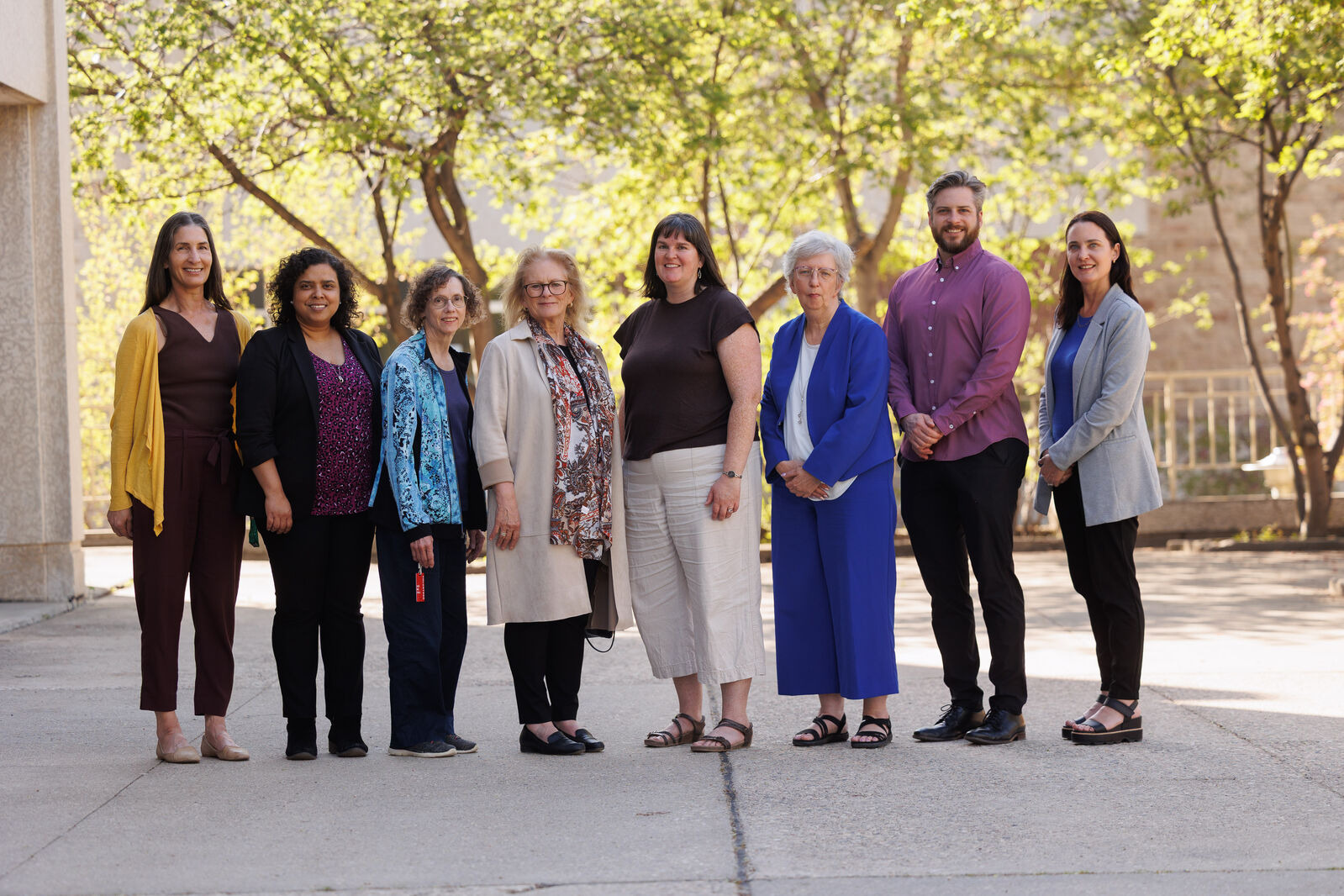
- Dr. Lisa Jewell (Co-Chair), Research Associate, CFBSJS
- Dr. Mansfield Mela (Co-Chair), Director, CFBSJS
- Lilani Samarakoon, Coordinator, CFBSJS
- Dr. Bryce Stoliker, Research Associate, CFBSJS
- Delphine Gossner, Director of Program Integrity and Evaluation, Offender Services, Government of Saskatchewan
- Dr. Leslie Anne Keown, Associate Professor, University of Regina
- Dr. Dena Derkzen, Senior Research Manager, Research Branch, Correctional Service Canada - National Headquarters
- Professor Emeritus Cindy Peternelj-Taylor, Professor Emeritus, College of Nursing, University of Saskatchewan
- Sgt. Nick Smyth, Manager, Regina Violent Crime Analysis Sections, Royal Canadian Mounted Police
- Dr. Natalie H. Polvi, Registered Doctoral Psychologist, Chief Psychologist, Regional Psychiatric Centre, Correctional Service Canada, Prairie Region
- Dr. Kingsley Nwachukwu, Saskatchewan Hospital North Battleford
- Lindsay Wilcox, Manager, Restorative Justice Programs and Branch Services, John Howard Society of Saskatchewan
Sponsors