


Event Details
Location: Arts 241, Neatby Timlin Theatre, University of Saskatchewan
Time: 1 pm to 4:00 pm
Date: April 17, 2026
Program
1. Strategic Plan 2026–29 Launch
2. Keynote Sessions:
Session Abstract:
The Saskatoon Fire Department (SFD) is mandated to enforce fire bylaws, including the management of improvised shelters on public and private land that pose a fire risk. This, combined with an increasing volume of calls for service involving unhoused persons, led to the development of a coordinated initiative by SFD to both enforce fire bylaws and support unhoused persons in accessing social and health services. This talk will discuss findings from a comprehensive evaluation of SFD’s response to inadequate housing, highlighting: (a) trends emerging from routinely collected incident-level data related to inadequate housing, and (b) perspectives from stakeholders with relevant experience or information to share about the SFD’s initiative and/or homelessness in Saskatoon.
Speakers:
Dr. Bryce Stoliker, Research Associate, Centre for Forensic Behavioural Science and Justice Studies, University of Saskatchewan
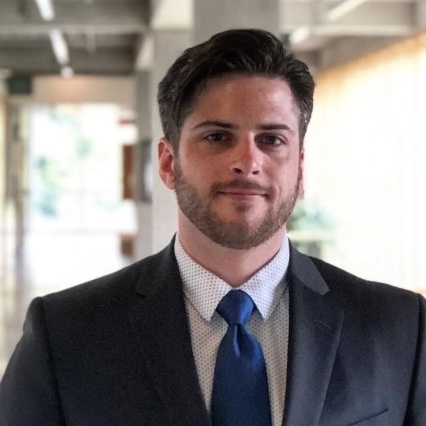
Dr. Bryce Stoliker is a Research Associate at the Centre for Forensic Behavioural Science and Justice Studies, as well as a Sessional Lecturer in the Department of Sociology, at the University of Saskatchewan. He holds a B.A. (Hons.) in Psychology and Criminology, an M.A. in Sociology, and a Ph.D. in Criminology. His research focuses broadly on the correctional system and specifically on the mental and physical health and well-being of people in custody. He has nearly 10 years of experience in corrections research and has published extensively on the topic of suicide and self-harm among correctional populations, as well as the topic of older people in custody. Since joining the Forensic Centre in 2020, Dr. Stoliker has been involved in various research and evaluation projects tasked with assessing criminal justice processes, as well as examining programs and services for justice-involved individuals in Saskatchewan. Recently, he has directed attention toward homelessness and inadequate housing within the province of Saskatchewan. In this regard, Dr. Stoliker has been involved in a Working Group that has focused on expanding knowledge and action toward addressing homelessness in Prince Albert. He also led the research collaboration between the Forensic Centre and Saskatoon Fire Department, which focused on evaluating the Fire Department’s response to homelessness, inadequate housing, and encampments within the city of Saskatoon.
Featuring Guest Speakers:
Yvonne Raymer, Deputy Chief of Community Risk Reduction, Saskatoon Fire Department
 Yvonne started with the Saskatoon Fire Department in May of 1995 as an administrative assistant. In October of 1997, attained the position of a Fire Dispatcher. After acquiring numerous accreditations related to fire prevention, fire investigation and specialty programs, entered the Fire Prevention division in October of 2007 as a Fire Inspector/Investigator. Yvonne was promoted to Assistant Chief in April of 2020 and Deputy Chief in April of 2025. Responsible for the long-range planning, reviewing and developing policies, operating guidelines, and bylaws. Yvonne holds a certificate in Fire Service Leadership and another three years in the Fire Service Administration program with Dalhousie University. - Oversee the Fire Prevention team, Community Relations, and Fire Community Support - On the Salvation Army Advisory Committee - Adjudicator for the Saskatoon Community Foundation - Spent 3 years as the Zone 6 Director (Saskatoon and surrounding area) for the Saskatchewan Association of Fire Chiefs - Committee member of the Building Codes Commission for the Canadian Association of Fire Chiefs - Previously a member of the Equity, Diversity and Inclusion committee for the Canadian Association of Fire Chiefs Passionate about the fire service and our community. Explore opportunities where my work can positively and proactively impact those who are inadequately housed and experiencing challenges. Reducing risks, filling gaps, creating processes, and identifying barriers that may put our community members at risk of becoming homeless.
Rob Hogan, Deputy Chief of Special Projects, Saskatoon Fire Department
 Rob began his career with the Saskatoon Fire Department (SFD) in May 1991. He was promoted to Battalion Chief in 2018 and later advanced to Deputy Chief of Operations and Emergency Communications in October 2021. In that role, he oversaw the overall quality assurance of all emergency and non-emergency operations, including dispatch services. Earlier this month, Rob transitioned into the role of Deputy Chief of Special Projects, where he now focuses on major departmental initiatives. His portfolio includes advancing projects within the fire service industry and collaborating with partners such as the Workers’ Compensation Board and the University of Saskatchewan. These efforts support improved firefighter health, with a particular emphasis on cancer-reduction strategies and mental health research. Throughout his career, Rob has earned numerous accreditations in fire operations and specialized programs. He brings extensive experience in labour relations, having served on the IAFF Local 80 Executive Board from 1997 to 2023 and contributing as a board member on two Firefighter Pension Boards for two decades. Rob also holds a certificate in Labour Studies.
Session Abstract:
Most research on homelessness in Canada has been undertaken in large cities such as Montreal, Toronto or Vancouver. This talk will explore homelessness in mid-sized Canadian cities using a mixed methods approach. I will begin by presenting an analysis of the Canadian Housing Survey comparing levels of homelessness in mid-sized cities with levels of homelessness in larger cities. With the same data, gender and ethno-racial differences across different geographies will be compared. This will be followed by a qualitative case study analysis of three mid-sized cities in Ontario where findings from data collected from face-to-face interviews and a media content analysis will be discussed. The presentation will conclude by comparing the housing conditions of social assistance recipients from mid-sized Ontario cites in the late 1990s with those from the early 2020s.
Speaker:
Dr. William O'Grady, Professor Emeritus, Department of Sociology and Anthropology, University of Guelph
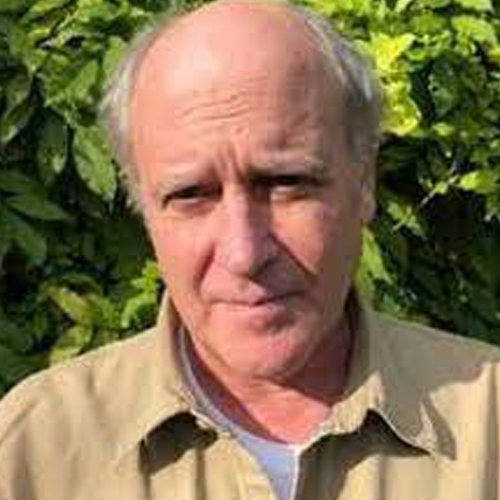 Bill O’Grady is a Professor Emeritus in the Department of Sociology and Anthropology at the University of Guelph. Over his career he has carried out research on homeless youth, homelessness and the criminal legal system and homelessness in rural and mid-sized Canadian cities. He is also the author of Crime in Canadian Context: debates and controversies (5th Ed.) published by Oxford University Press.
Live Recording
Event Day
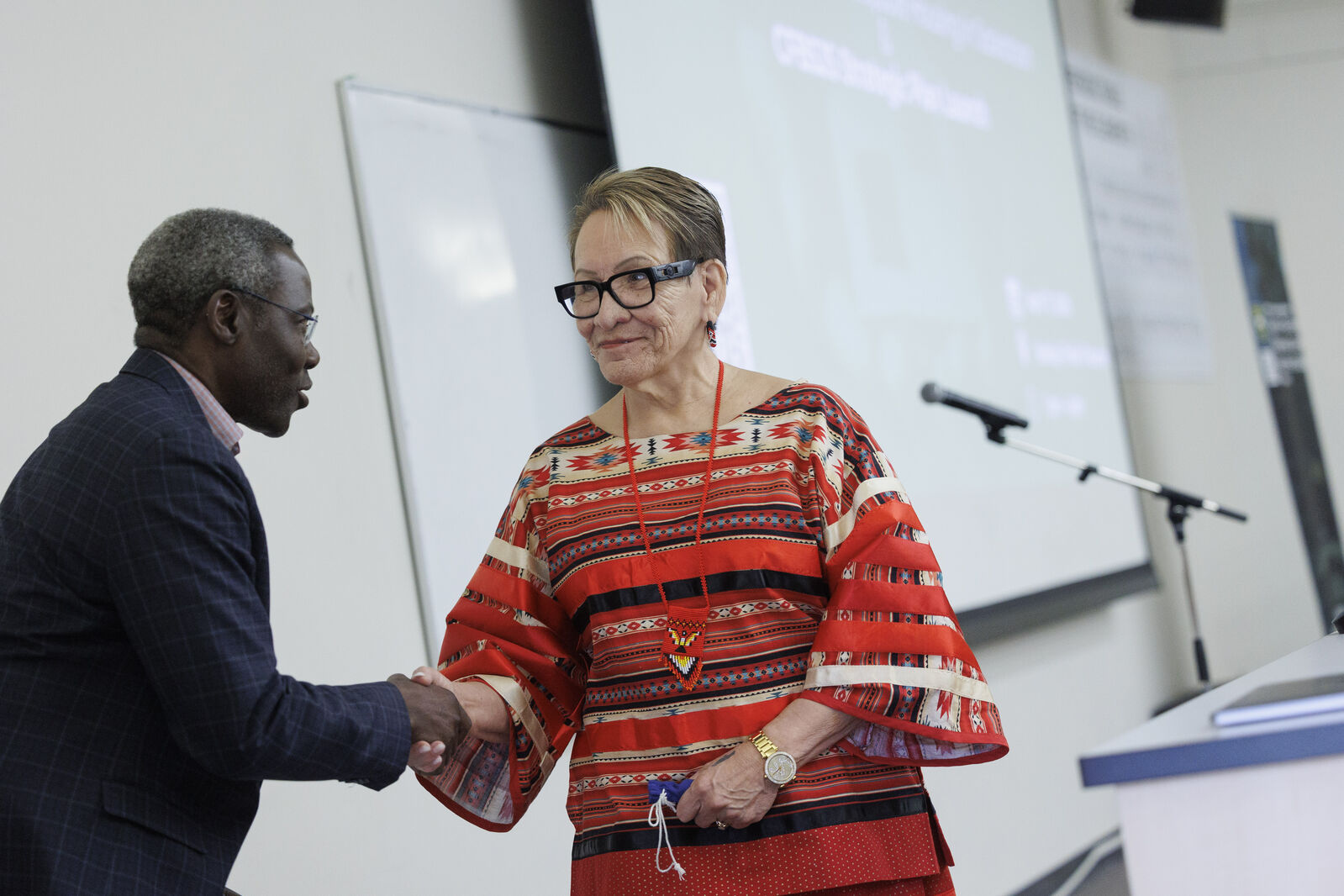
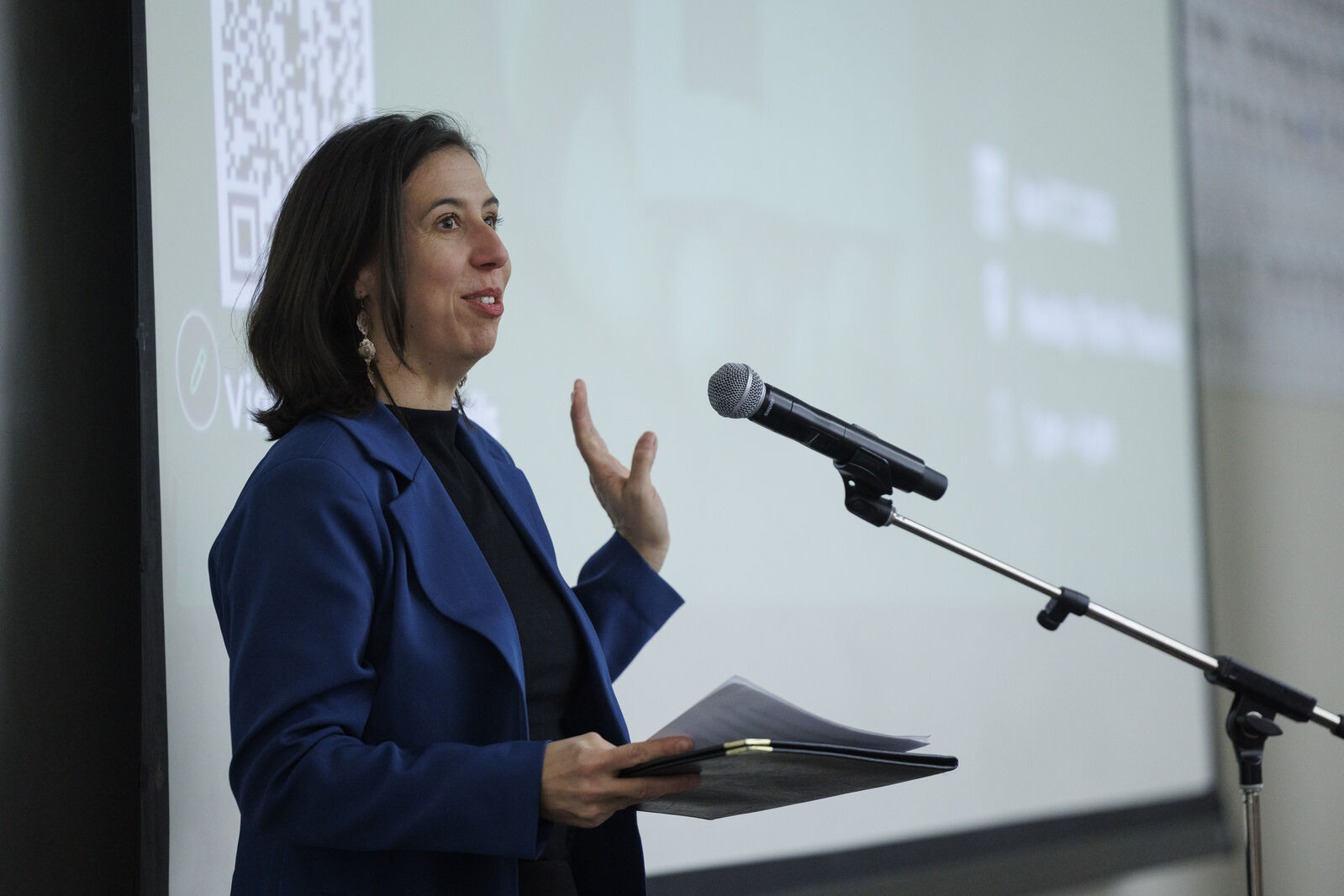
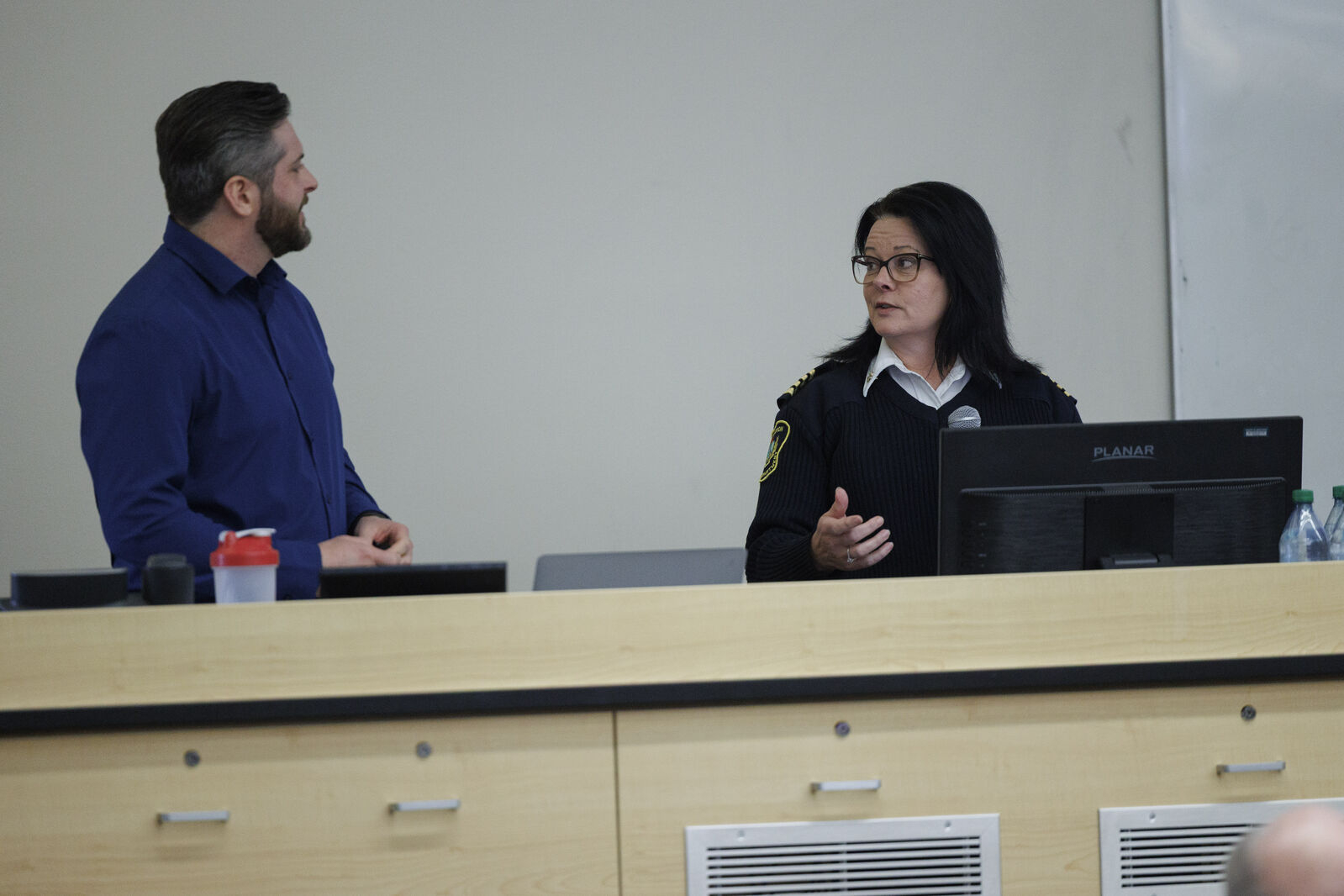
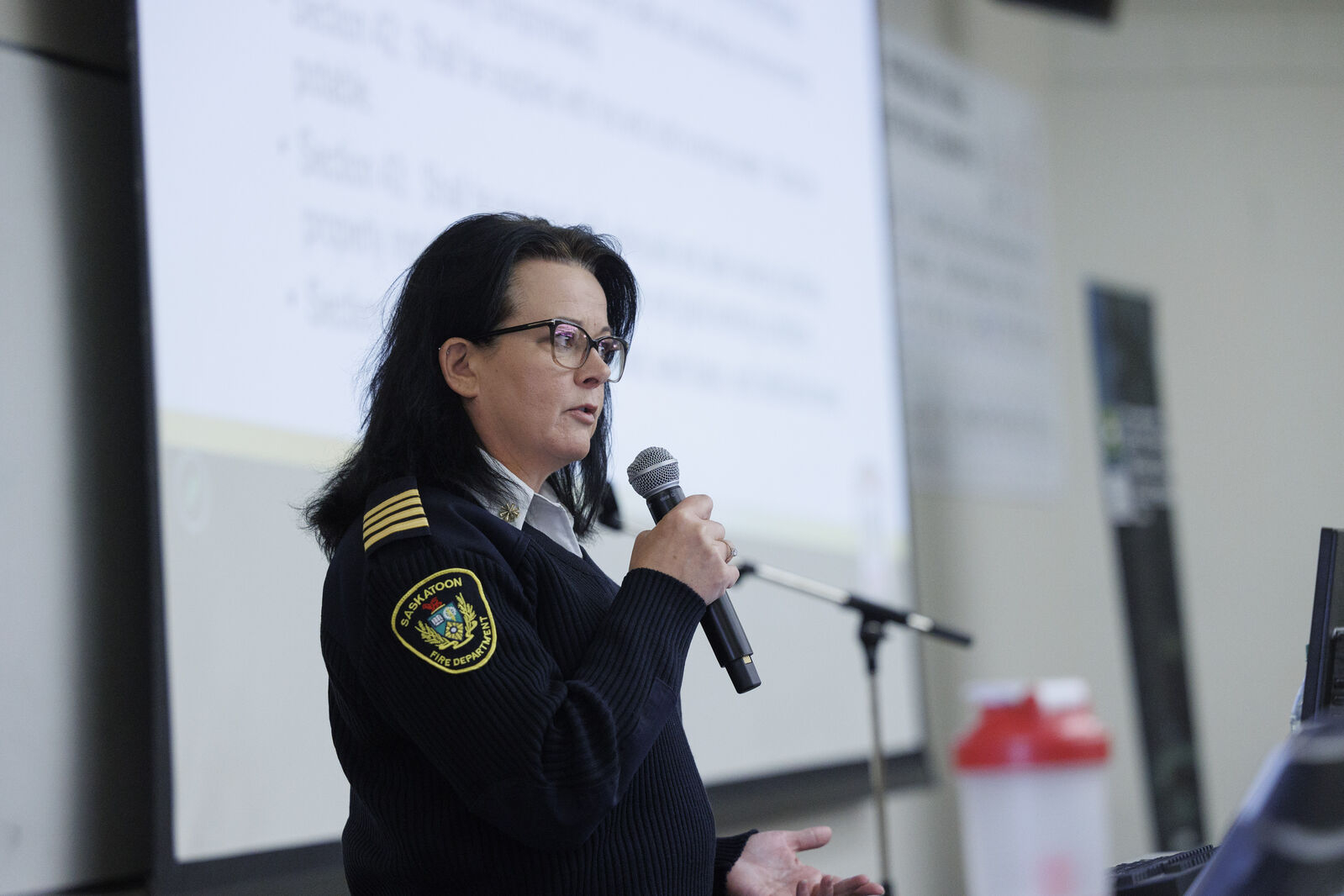
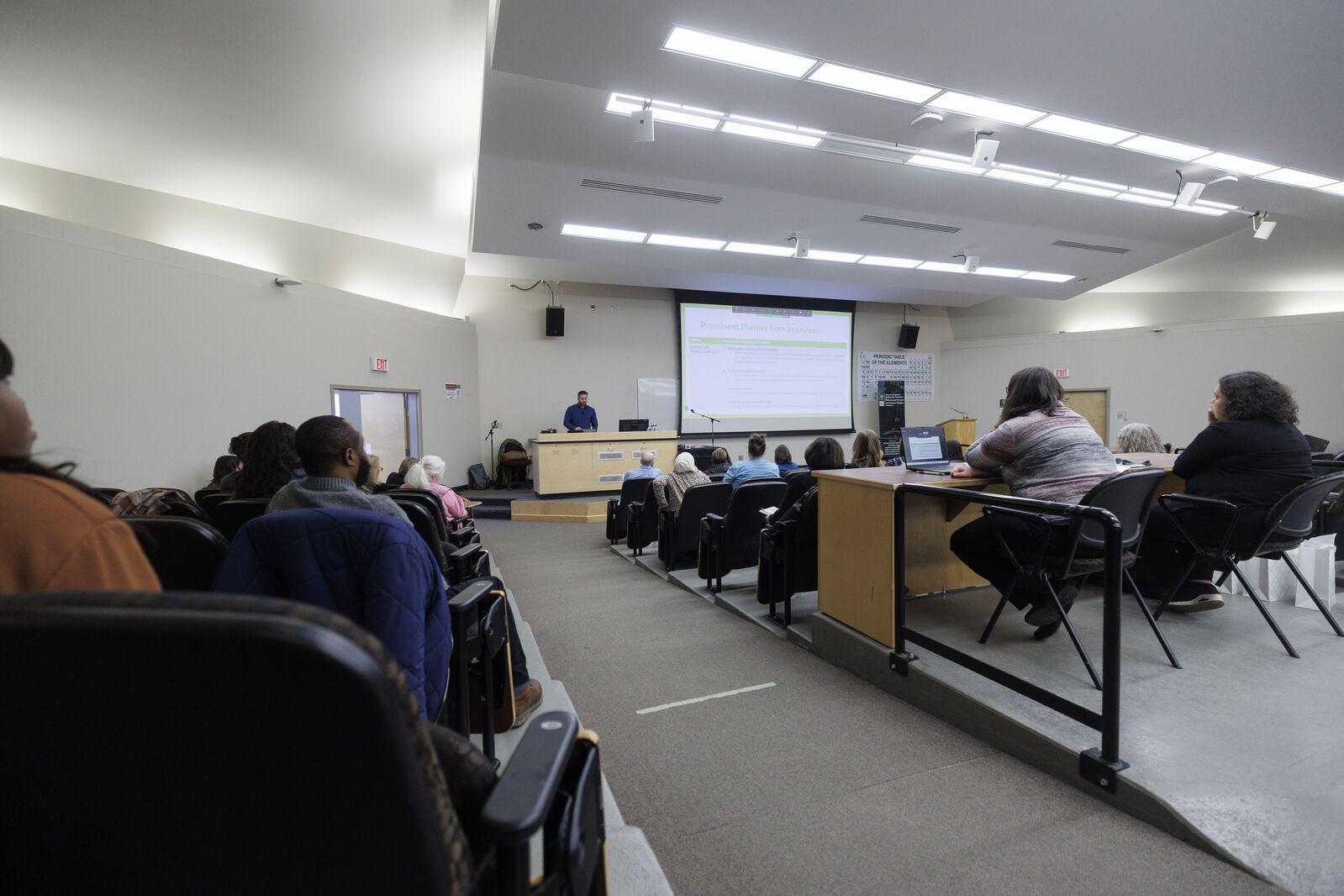
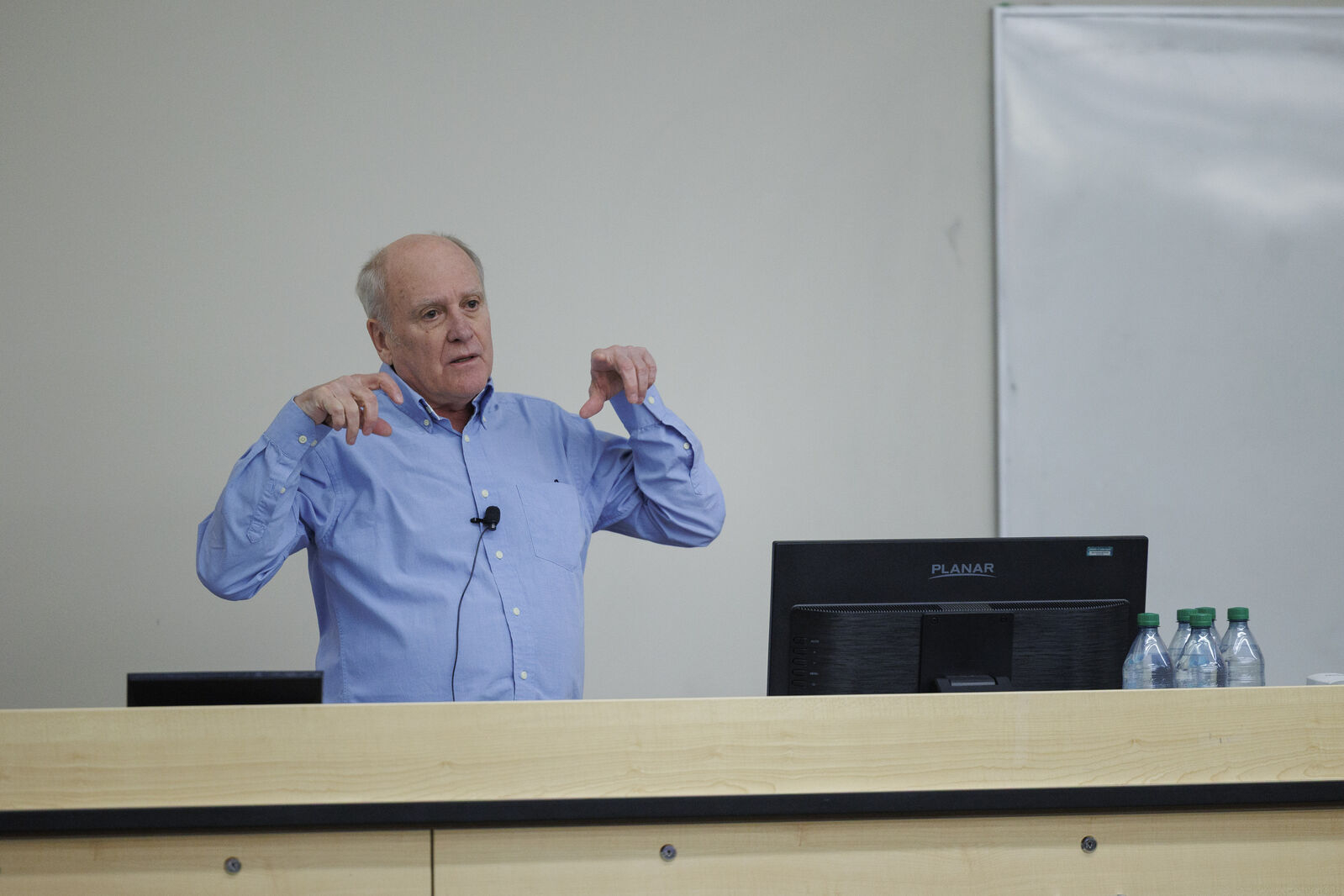
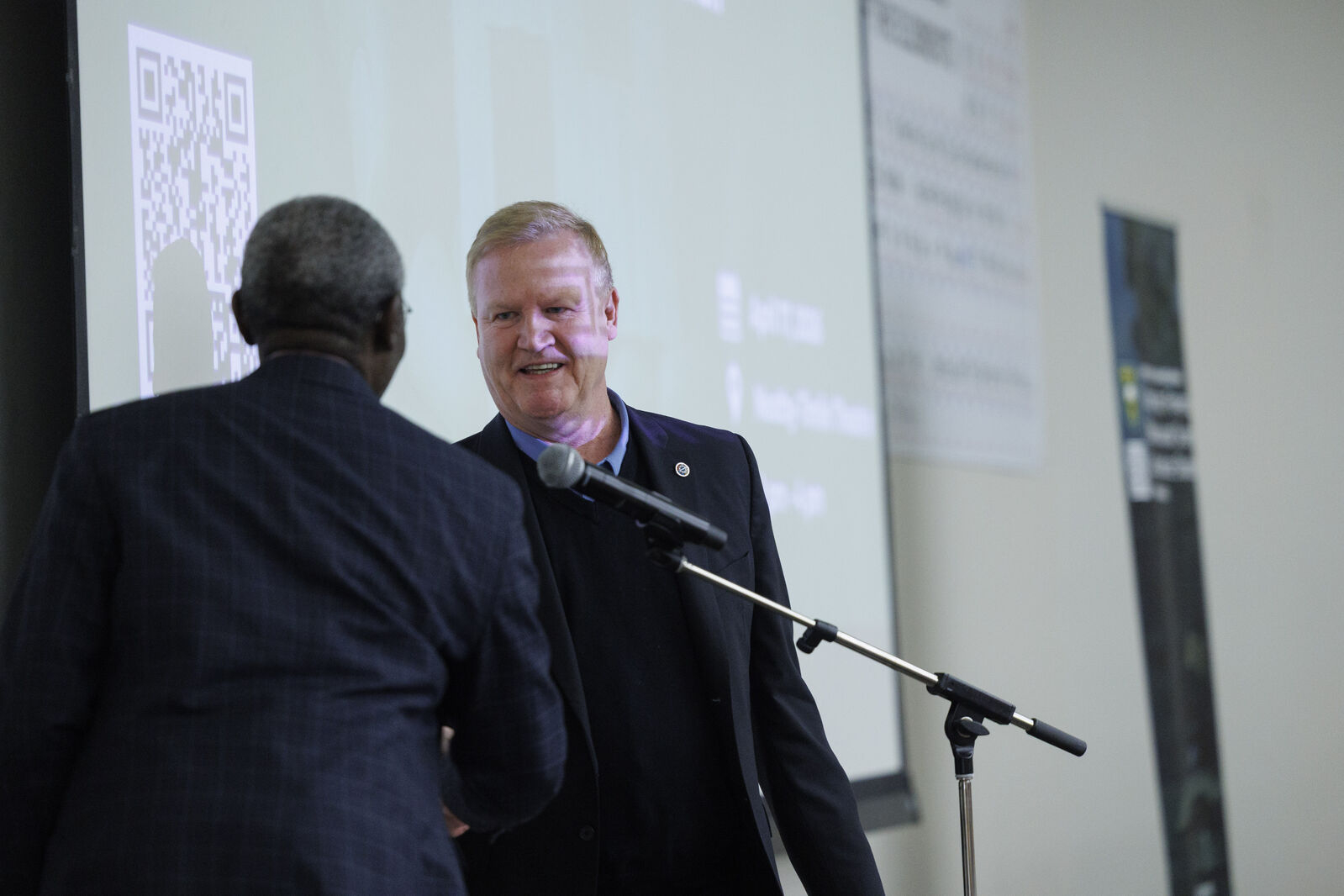
Schedule
|
Time |
Session |
Speaker(s) |
Topic |
|
1 pm |
Welcome & Opening Prayers |
Dr. Mansfield Mela Elder Pelly |
Welcome Opening Prayers |
|
1:15 pm |
Greetings from the Partners |
Dr. Steven Rayan |
Greetings from USask & CFBSJS Strategic Plan 2026-29 Launch |
|
1:35 pm |
Keynote 1 |
Dr. Bryce Stoliker
Featuring Guest Speakers: Deputy Chiefs Yvonne Raymer and Rob Hogan, Saskatoon Fire Department |
Inadequate Housing and Homelessness in Saskatoon: A Look into the Saskatoon Fire Department's Response |
|
2:40 pm |
Coffee Break and Poster Showcase of Centre Projects |
||
|
3:00 pm |
Keynote 2
|
Dr. Bill O’Grady |
Homelessness in Mid-Sized Canadian Cities |
|
4:00 pm |
Closing Remarks &
Closing Prayer
|
Dr. Mansfield Mela Elder Pelly |
Note of thanks Closing Prayers |
Registration
Email us at forensic.centre@usask.ca to register for Public Forum 2026! If you have any questions, feel free to reach out to us.